Why does revenge feel so good? Why can it be so difficult to let go? And how do we break free from it?
One of the most common responses I get when I start talking about nonviolence is actually pretty simple:
“But I’m not a violent person.”
And honestly, I get it.
Most of us aren't walking around looking for fights. We aren't carrying weapons or physically attacking people
There is a phrase I have heard more than once when talking about nonviolence, enemy-love, forgiveness and peacemaking within Christianity. Usually it comes with a smile.
“Isn’t this all just a bit hippie?
There is a phrase I have heard more than once when talking about nonviolence, enemy-love, forgiveness and peacemaking within Christianity. Usually it comes with a smile.
“Isn’t this all just a bit hippie?
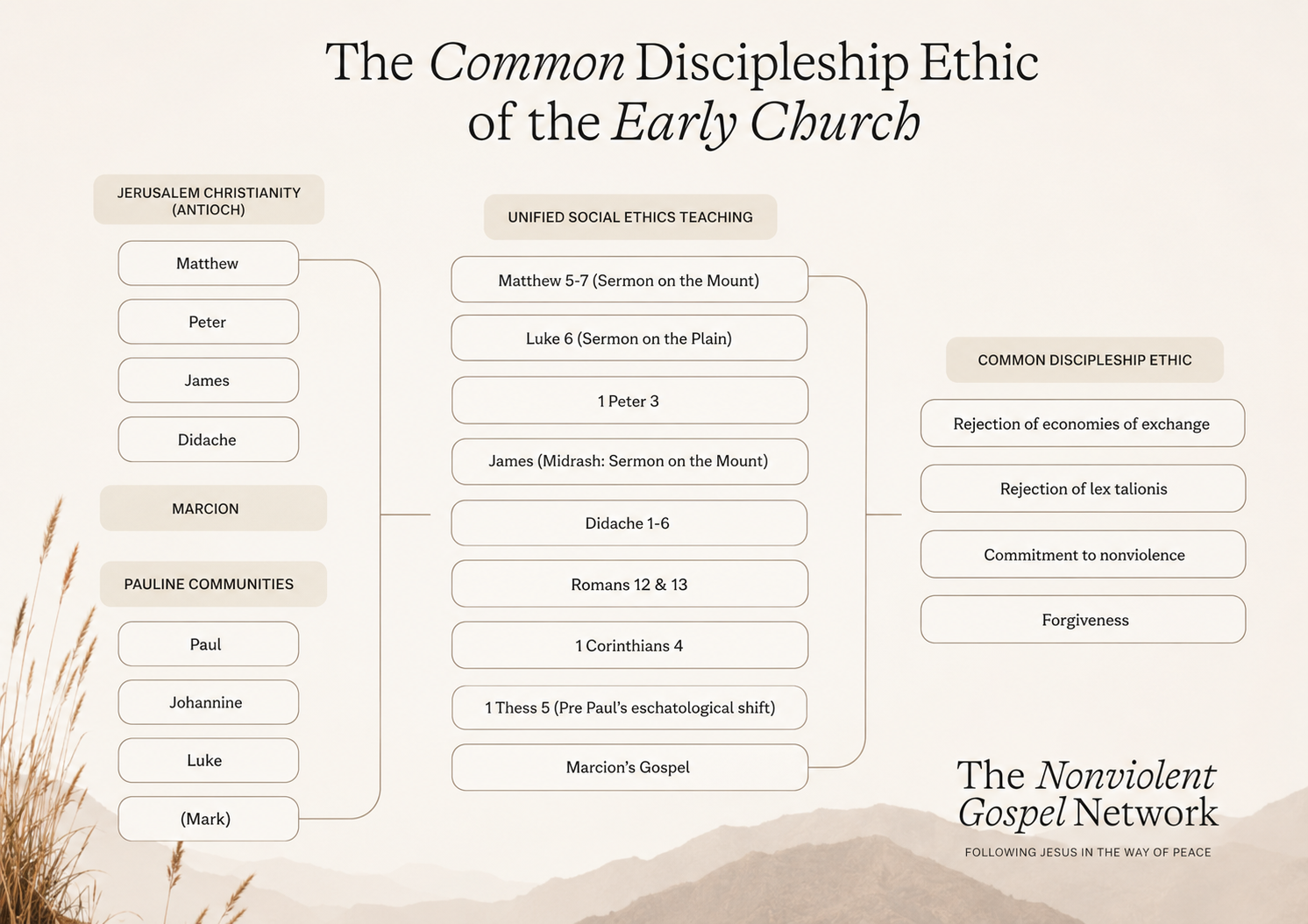
When people talk about the early church, we can easily imagine a single, unified movement that believed the same things and practised the same faith everywhere. The reality is a little more complicated.
The earliest Christian communities were diverse. They wrestled with different questions, interpreted Scripture in different ways, and sometimes disagreed quite sharply with one another. Yet beneath these differences we find something remarkable: a common commitment to a shared way of life.
When people talk about the early church, we can easily imagine a single, unified movement that believed the same things and practised the same faith everywhere. The reality is a little more complicated.
The earliest Christian communities were diverse. They wrestled with different questions, interpreted Scripture in different ways, and sometimes disagreed quite sharply with one another. Yet beneath these differences we find something remarkable: a common commitment to a shared way of life.
Occasionally I’m asked, why call it The Nonviolent Gospel Network? Well let me try and answer that.
Over the last decade there has been a remarkable awakening among Christians who have found themselves re-examining the faith they inherited. This movement has often been called “deconstruction”, though that word now covers all sorts of different journeys.
Occasionally I’m asked, why call it The Nonviolent Gospel Network? Well let me try and answer that.
Over the last decade there has been a remarkable awakening among Christians who have found themselves re-examining the faith they inherited. This movement has often been called “deconstruction”, though that word now covers all sorts of different journeys.
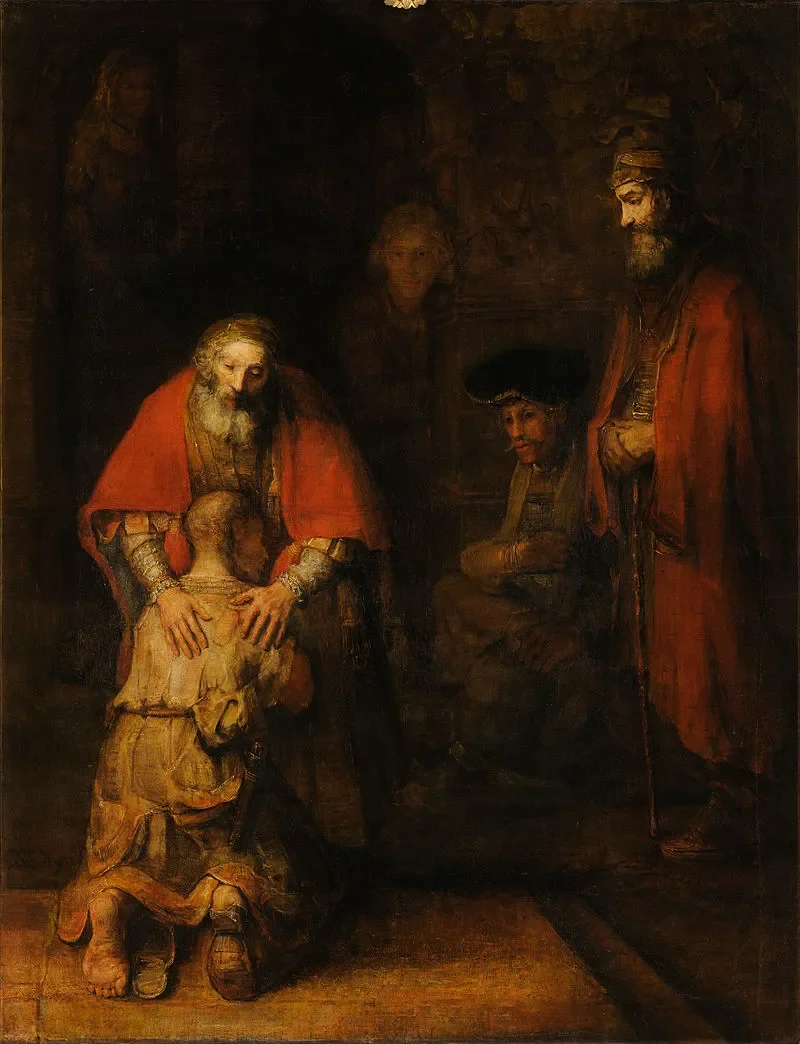
We hear a lot today about the psychological benefits of forgiveness, and rightly so. Therapists, counsellors and neuroscientists have shown how bitterness and resentment slowly eat away at us. Carrying anger for a long time shapes the way we see other people, and eventually even how we see ourselves. It drains us, turns us inward and keeps old wounds alive, often in ways that are difficult to notice while it is happening.
The rhetoric of peacemaking is easy. Living as a peacemaker is a far more difficult proposition.
Narrated Theology:
This part of the study is written in the style of narrated theology — exploring the Gospel through story, symbol, imagination, and emotion. It is best read slowly and softly, allowing listeners to relax into the story, feel its movement, and prayerfully reflect on what it reveals about themselves, others, and God.
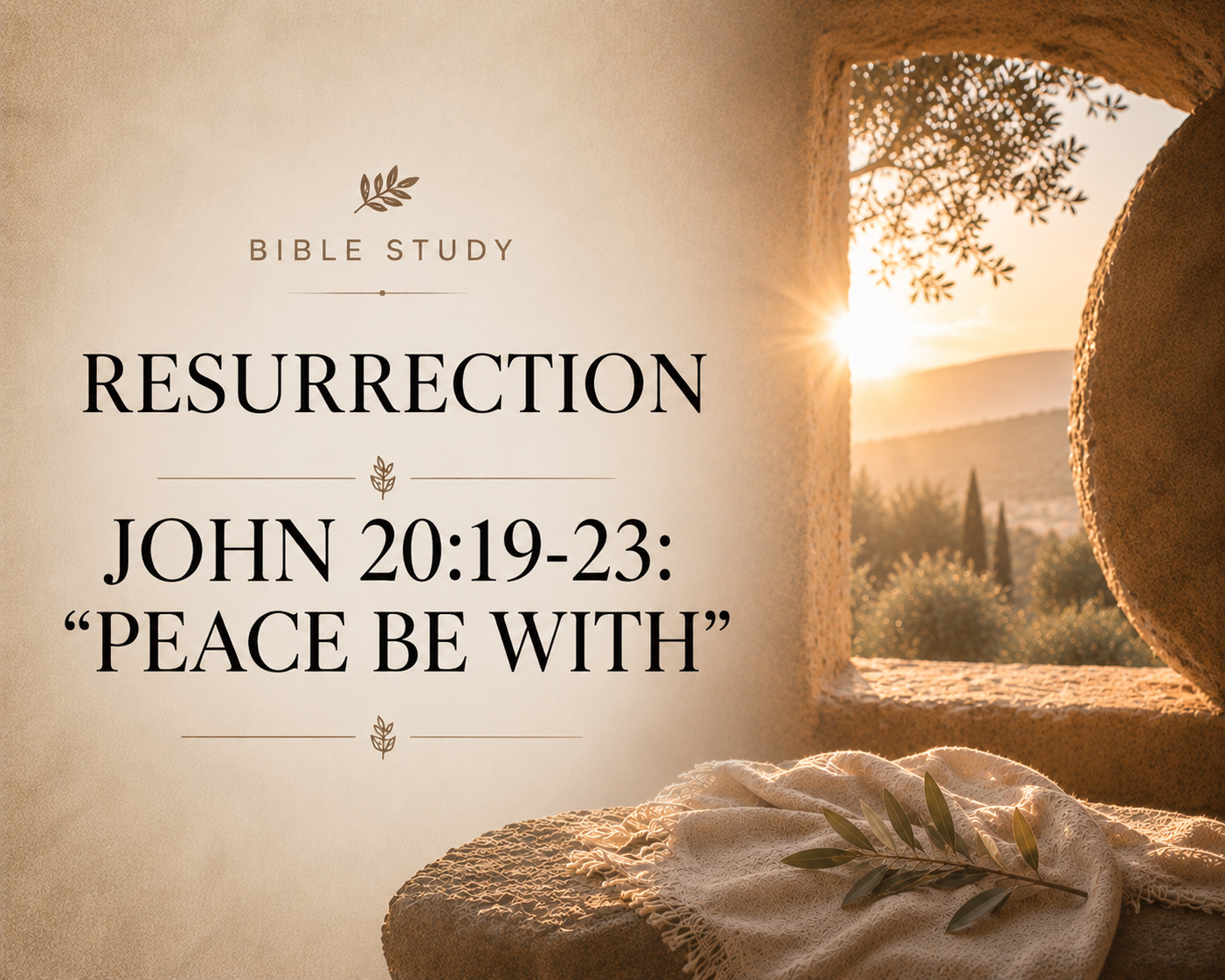
To understand the resurrection does not continue the cycle of violence that killed Jesus. Instead, the Risen Christ returns as a forgiving victim, creating a new community freed from fear, and is sent out into the world as agents of forgiveness and peace.
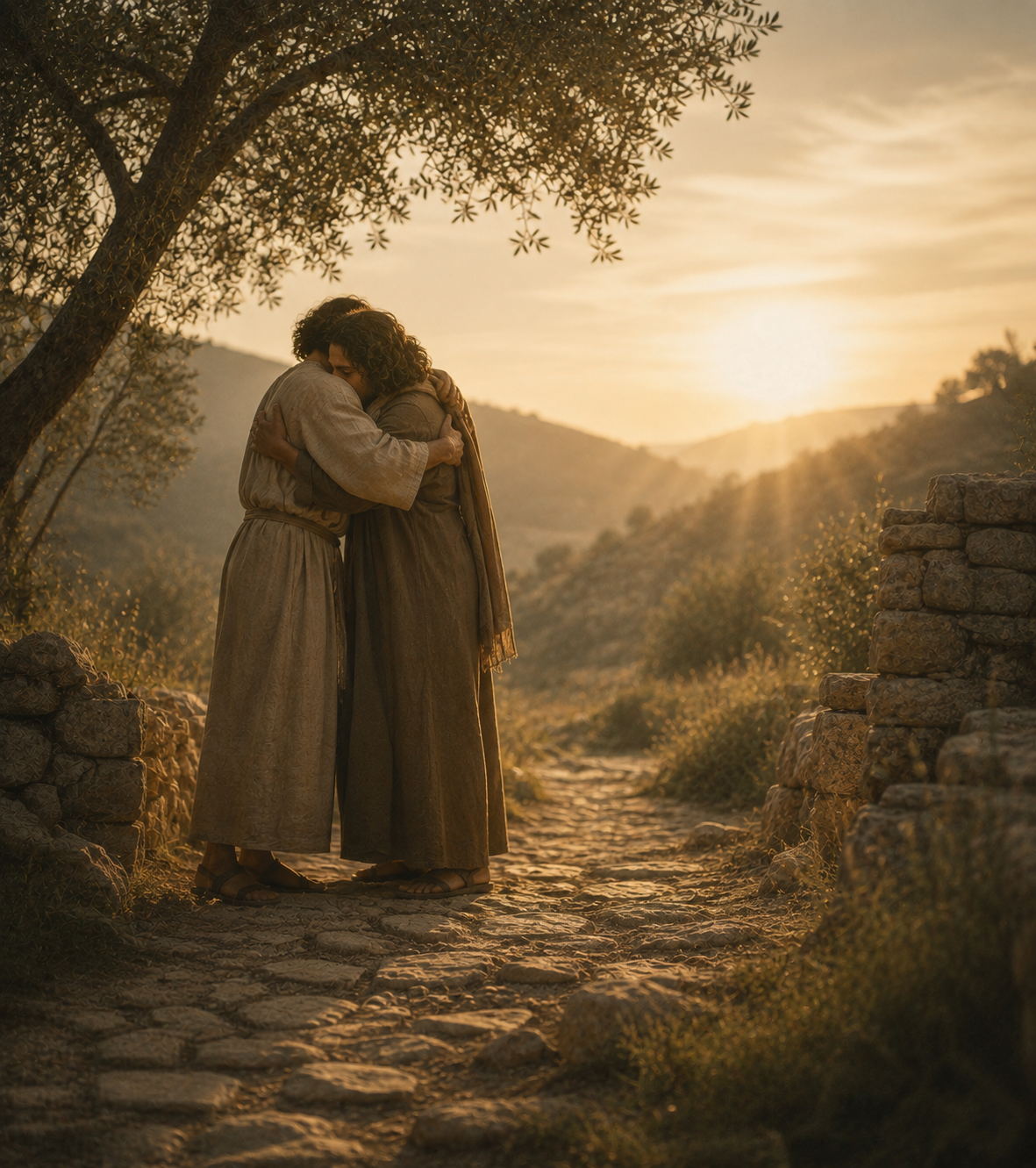
To understand that the Creator enters creation and is rejected by it, yet responds not with condemnation but with grace, revealing the heart of God and foreshadowing the Cross.
To understand John's vision of Jesus as the word/Logos through whom all things were made, and to discover that the deepest reality of creation is not conflict or domination but the life and light revealed in Christ.
The cross reveals not only what Jesus refuses to do. It reveals the kind of desire that animates his entire life. Jesus does not overcome violence through a greater act of violence. He does not defeat his enemies by becoming like them. Instead, he reveals a completely different source from which human beings can live: a desire rooted not in rivalry, scarcity or fear, but in the abundant love of the Father.
One of the most common responses I get when I start talking about nonviolence is actually pretty simple:
“But I’m not a violent person.”
And honestly, I get it.
Most of us aren't walking around looking for fights. We aren't carrying weapons or physically attacking people